

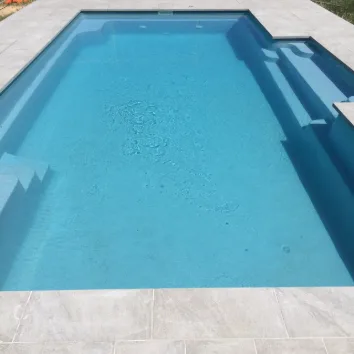















A fibreglass pool is an excellent investment for any home, offering durability, style, and ease of maintenance compared to other pool types. However, regular upkeep is still essential to ensure your pool remains in pristine condition and provides years of enjoyment. By following a consistent maintenance routine, you can keep your water crystal-clear, your equipment running smoothly, and your pool surface in top shape. In this guide, we’ll cover essential cleaning tips, water treatment techniques, and seasonal care to help you maintain your fibreglass pool effortlessly.
Why Regular Maintenance is Essential
Keeping your fibreglass pool well-maintained isn’t just about aesthetics—it’s also crucial for health, safety, and longevity. Proper upkeep prevents the growth of algae, reduces wear and tear on your pool’s surface, and ensures the water remains balanced and safe for swimming. Unlike concrete or vinyl pools, fibreglass pools are non-porous, which makes them resistant to algae and bacteria build-up. However, they still require a structured cleaning and maintenance routine to stay in top condition.
Daily and Weekly Cleaning Routines
Daily Maintenance
- Skim the surface of your pool with a net to remove leaves, insects, and other floating debris.
- Check the skimmer basket and empty it to ensure proper filtration and circulation.
Weekly Maintenance
- Brush the walls and floor of the pool with a soft-bristle brush to prevent algae or calcium deposits.
- Vacuum the pool using a manual or robotic cleaner to remove dirt and fine particles.
- Test water chemistry to ensure proper balance (more on this below).
Water Treatment and Chemical Balance
Maintaining the right chemical balance in your pool is key to keeping the water clean and safe for swimming. Here are the most important factors to monitor:
- pH Levels: Ideal range is between 7.2 and 7.6. A balanced pH prevents irritation to skin and eyes while protecting the pool’s surface.
- Chlorine Levels: Should be maintained between 1 and 3 ppm (parts per million) to effectively sanitise the water.
- Alkalinity: Should be kept between 80 and 120 ppm to stabilise pH levels.
- Calcium Hardness: Ideal range is 200-400 ppm to prevent scaling on the pool surface.
- Shock Treatment: Perform a shock treatment every two weeks or after heavy use to remove contaminants and restore water clarity.
Regularly testing and adjusting these levels will keep your fibreglass pool water in perfect balance, ensuring a comfortable and safe swimming environment.
Seasonal Pool Care Tips
Each season brings different maintenance requirements for your fibreglass pool. Here’s how to care for your pool throughout the year:
Summer Maintenance
- With increased pool usage, check chemical levels more frequently (at least twice a week).
- Ensure your pool filter runs at least 8–12 hours a day to maintain circulation and cleanliness.
- Prevent over-chlorination, which can cause fading or surface damage.
Autumn Preparation
- Remove fallen leaves promptly to prevent staining on the fibreglass surface.
- Reduce pool usage and start lowering filtration hours as temperatures drop.
- Consider using a pool cover to keep debris out.
Winter Maintenance
- If you’re not using your pool, cover it to prevent dirt build-up and reduce evaporation.
- Reduce chlorine levels slightly, as lower temperatures slow down bacteria growth.
- Occasionally run the pump to keep water circulating and prevent algae formation.
Spring Opening
- Before reopening your pool, check the pump, filter, and all fittings for leaks or wear.
- Perform a thorough cleaning, removing any winter debris or build-up.
- Balance the water chemistry and shock the pool to ensure a fresh and clean start for the season.

Equipment Maintenance
Your fibreglass pool’s equipment plays a crucial role in keeping the water clean and well-circulated. Here’s how to maintain it:
- Pool Filter: Clean and backwash the filter regularly to ensure optimal performance. Sand, cartridge, and DE filters all require different cleaning methods—follow manufacturer guidelines.
- Pump and Skimmer: Inspect and clean pump baskets frequently to maintain strong water flow.
- Pool Heater: If you have a heater, check for calcium deposits and ensure it’s running efficiently.
Water Circulation: Ensure all jets and returns are functioning correctly to prevent dead spots where algae can grow.

Preventing and Treating Common Pool Issues
Even with routine maintenance, you may encounter occasional issues. Here’s how to prevent and fix common problems:
- Cloudy Water: Caused by poor filtration or imbalanced chemicals. Test and adjust chemical levels and clean your filter.
- Algae Growth: Can occur due to low chlorine levels or poor circulation. Brush the affected areas, shock the pool, and run the pump continuously for 24 hours.
- Staining on Fibreglass Surface: Can result from leaves, metal imbalances, or algae. Use a pool stain remover specifically designed for fibreglass pools.

Long-Term Care for Your Fibreglass Pool
To ensure your fibreglass pool remains in excellent condition for years to come:
- Avoid using harsh brushes or abrasive cleaners that can damage the gel coat.
- Never drain the pool completely without professional assistance, as this can cause structural damage.
- Regularly inspect the pool shell for any signs of cracks or discolouration.
- Use high-quality pool chemicals to maintain the surface and water quality.
Conclusion: Enjoy a Sparkling Fibreglass Pool with Minimal Effort
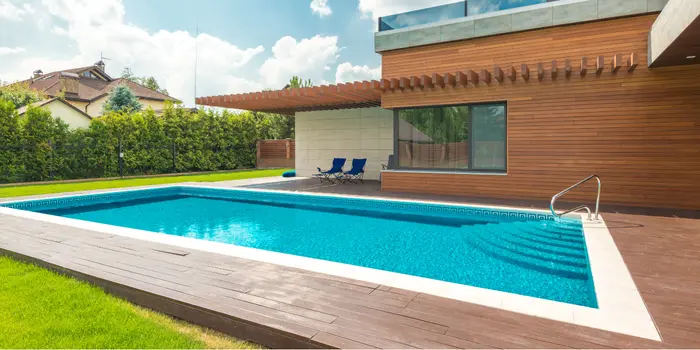
Maintaining a fibreglass pool doesn’t have to be complicated. By following these simple routines, keeping the water balanced, and addressing issues early, you can enjoy a clean and inviting pool all year round. With minimal effort, your fibreglass pool will remain a stunning centrepiece in your backyard for many years to come.
If you need expert advice or professional pool maintenance services, Fibreglass Pools South Brisbane is here to help. Contact us today to ensure your pool stays in top condition and ready for endless enjoyment!