















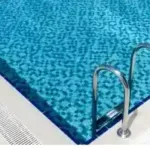





On a warm February afternoon in Brisbane, I found myself standing beside a newly installed fibreglass pool, watching the sunlight ripple across the water in soft, shifting patterns. The homeowners—both engineers, interestingly enough—were excitedly explaining why they had chosen a fibreglass pool over other types. Their decision, they said, wasn’t just about looks or installation speed. It was about the science. Specifically, the resin.
Until then, I’d never really considered how much resin contributes to a fibreglass pool’s overall strength. It’s easy to admire the smooth gelcoat, the shimmering surface, or the inviting steps leading into the water. But beneath that beauty lies one of the most important materials in modern pool construction. And as I listened to that couple speak with such enthusiasm, I realised just how far resin technology has come—and how much it now shapes the pools we enjoy across Queensland.
To understand modern resin technology, it helps to picture the pool shell as a kind of composite sandwich. One side is the glossy gelcoat, the part we see and touch. Beneath that, layers of fibreglass matting create shape and form. But it’s the resin—flowing through and binding all those fibres together—that transforms those layers from soft, fabric-like sheets into a single, solid structure.

If the gelcoat is the skin of the pool, resin is the heartbeat.
For decades, standard polyester resins were the go-to choice in fibreglass manufacturing. They did the job, but they had limitations—particularly in climates like ours, where the heat, humidity, and intense UV can push materials to their limits. Modern resin technology has changed that story dramatically. Today’s pools benefit from advanced formulations specifically engineered for strength, flexibility, and long-term durability.
The first major improvement lies in structural bonding. Modern resins penetrate fibreglass fibres far more effectively than earlier blends, creating a tighter, stronger bond. When you look at a fibreglass pool shell, you’re seeing layers that have fused together so completely, they behave like a single piece. This strength makes a world of difference in Brisbane, where the soil can swell after a summer storm and shrink during dry spells. A pool shell that can flex without fracturing isn’t just convenient—it’s essential.
Another leap forward is corrosion resistance. Older resins were more vulnerable to the chemicals used in pool water, especially when chlorine levels fluctuated or when the water experienced long stretches of heat. The new generation of resins offers far better resistance to chemical breakdown, which helps prevent osmosis, blistering, and structural weakening. It means the shell stays intact and stable, year after year, even in harsh conditions.
During a factory tour not long ago, I noticed something else fascinating. The resin used in fibreglass pools today often incorporates additives that improve resistance to water absorption. This is crucial because even tiny amounts of moisture seeping into the material over time can cause problems. By reducing water uptake, modern resins help maintain the integrity of the pool, keeping it lighter, stronger, and more resilient.
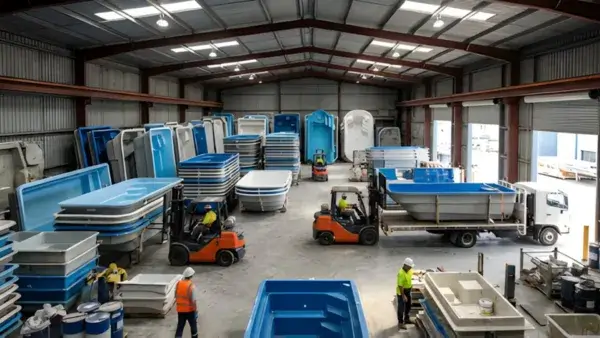
One technician at the facility shared a simple analogy that stayed with me. He said, “Imagine the fibreglass layers as a woven fabric. Without the right resin, it’s just cloth. But with the right resin, it becomes armour.” Watching him work—carefully measuring, mixing, and applying the resin with a precision that felt almost artistic—I could see how seriously they treated this step. In Queensland, where pools are exposed to everything from scorching sun to sudden downpours, the material has to defend itself against extremes. Modern resins give fibreglass pools that armour-like strength.
There’s also the matter of flexibility. It might sound odd to think of a pool shell as flexible, but a small amount of movement can make an enormous difference in preventing cracks. Modern resin technology allows fibreglass shells to maintain this gentle give without sacrificing structural integrity. It’s the perfect balance—rigid enough to hold its shape for decades, yet forgiving enough to accommodate the natural shifts of our environment.
Back at that Brisbane home, the engineer couple pointed out something I hadn’t considered: modern resins also contribute to the consistency of the pool’s appearance. By bonding layers evenly and preventing voids or weak spots, they help maintain a uniform surface beneath the gelcoat. That means fewer imperfections, fewer maintenance concerns, and a smoother, more durable finish that stays attractive despite long, hot summers.
As the afternoon sun dipped a little lower, casting shadows across their backyard, I found myself appreciating the hidden work of resin even more. You can’t see it once the pool is finished. You can’t touch it or admire it in the way you’d admire the sparkle of the water. Yet it’s responsible for so much—strength, longevity, reliability, and peace of mind.
Modern resin technology might not be the first thing homeowners think about when dreaming of lazy summer afternoons by the pool. But it’s one of the reasons fibreglass pools have become such a trusted choice throughout Queensland. Behind every shimmering surface is a blend of chemistry, engineering, and innovation working quietly to ensure the pool remains strong for decades to come.
And as our summers grow hotter, storms more dramatic, and our love of outdoor living continues to flourish, it’s comforting to know that today’s resin technology is more than ready to rise to the challenge—supporting the pools that help us stay cool, connected, and wonderfully at home in the Queensland way of life.