

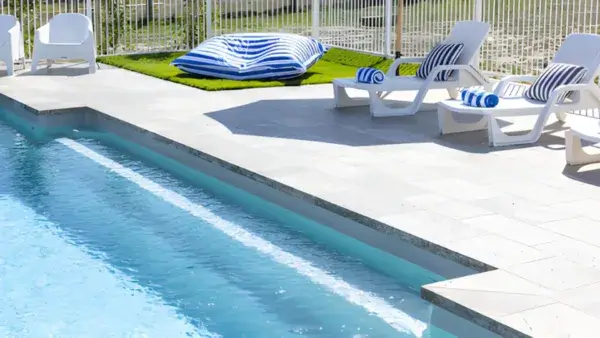









Queensland summers have a certain way of announcing themselves. The sun rises early, the skies turn a brilliant blue, and by midday, the heat has settled in like a long-term guest. For many Brisbane homeowners, their fibreglass pool becomes the heart of their home during these months—an escape, a meeting place, a daily ritual. But whether you’ve owned a fibreglass pool for years or you’re just starting to consider one, there’s a hidden hero working quietly beneath the sparkling water: UV resistance.
It’s one of those features you don’t necessarily think about at first. The pool looks beautiful, the water feels cool, and maintenance seems wonderfully manageable. But behind that easy ownership experience lies the science that helps fibreglass pools stand up to Queensland’s fierce sun—sun that doesn’t just warm the water but can, over time, wreak havoc on materials not designed to withstand it.
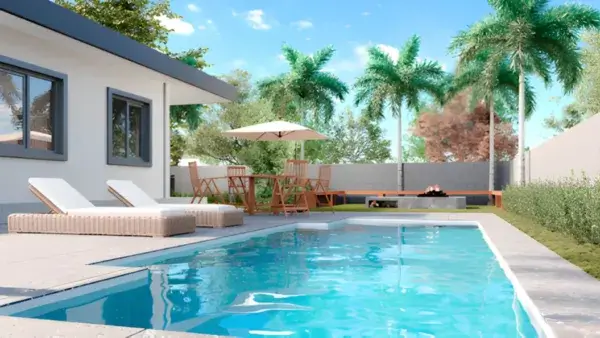
A few summers ago, I visited a family in North Brisbane who had installed their fibreglass pool just before Christmas. Their backyard faced west, catching the kind of afternoon light that could turn concrete hot enough to fry an egg. What fascinated me was how their pool’s colour remained rich and glossy, even under those blazing rays. They’d chosen their pool specifically for its UV-resistant gelcoat, though at the time they didn’t realise just how much of a difference it would make.
The gelcoat on a fibreglass pool is its outermost layer—the part you see, touch, and admire. But it’s also the layer most exposed to sunlight, day after day, year after year. Without UV resistance, that glossy surface could fade, chalk, or become dull over time. Even tiny cracks might appear, which could lead to bigger issues down the track. When you think about how intense Queensland UV can be—consistently higher than many other parts of the world—it becomes clear why this protective feature is so essential.
The secret lies in how the gelcoat is engineered. Manufacturers incorporate UV-stabilising additives into the coating, which act like sunscreen built right into the material. Instead of allowing the sun’s radiation to break down the surface, these additives disperse and absorb the UV energy so it can’t cause damage. The result is a surface that stays brighter, stronger, and smoother for far longer than unprotected materials.
During that visit, the homeowner mentioned something that stuck with me. She said, “I thought buying a pool meant accepting that it would look older every summer, but this one hasn’t aged at all.” It was such a simple observation, yet it perfectly summed up the value of UV resistance. In our climate, longevity isn’t just a bonus—it’s a necessity. If a pool is exposed to eight or more hours of direct sunlight every day, it needs the strength to face that intensity without losing its beauty or structural integrity.
Another benefit of UV resistance is how it supports easier maintenance. A well-protected gelcoat resists fading and chalking, which means fewer surface issues that require polishing or refinishing. It also helps prevent algae from taking hold. A smooth, stable surface offers fewer places for unwanted growth to cling, making cleaning simpler and less frequent—something every pool owner appreciates in the height of summer when all anyone wants to do is swim rather than scrub.
One thing that impressed me most during my behind-the-scenes tour of a fibreglass pool facility was how seriously the manufacturers take UV protection. In the controlled environment of the factory, they apply the gelcoat with precision, ensuring consistent thickness so that every inch of the pool is equally protected. They test colours and finishes under simulated sunlight to ensure they hold up under harsh conditions. You could see the pride in their work—the understanding that these pools aren’t just shipped off to any region, but to one of the sunniest, hottest, and most UV-intense parts of Australia.
For Brisbane families, these details matter more than you might think. Your pool isn’t something you replace every few years. It’s part of your home, your lifestyle, your celebrations, your lazy Sunday afternoons. UV resistance ensures that your pool keeps looking new even after long, hot summers—those weeks when the water barely cools overnight, and the sun feels like it’s shining directly overhead from dawn to dusk.
As Queenslanders, we know better than most the power of the sun. We plan our gardens around it, wear hats religiously, and schedule weekend activities to avoid the midday heat. It only makes sense that our pools—one of the most beloved features of our homes—are built to withstand that same intensity. UV resistance isn’t just a technical detail; it’s a promise that your pool will remain a beautiful, reliable part of your everyday life, no matter how fiercely the sun beams down.
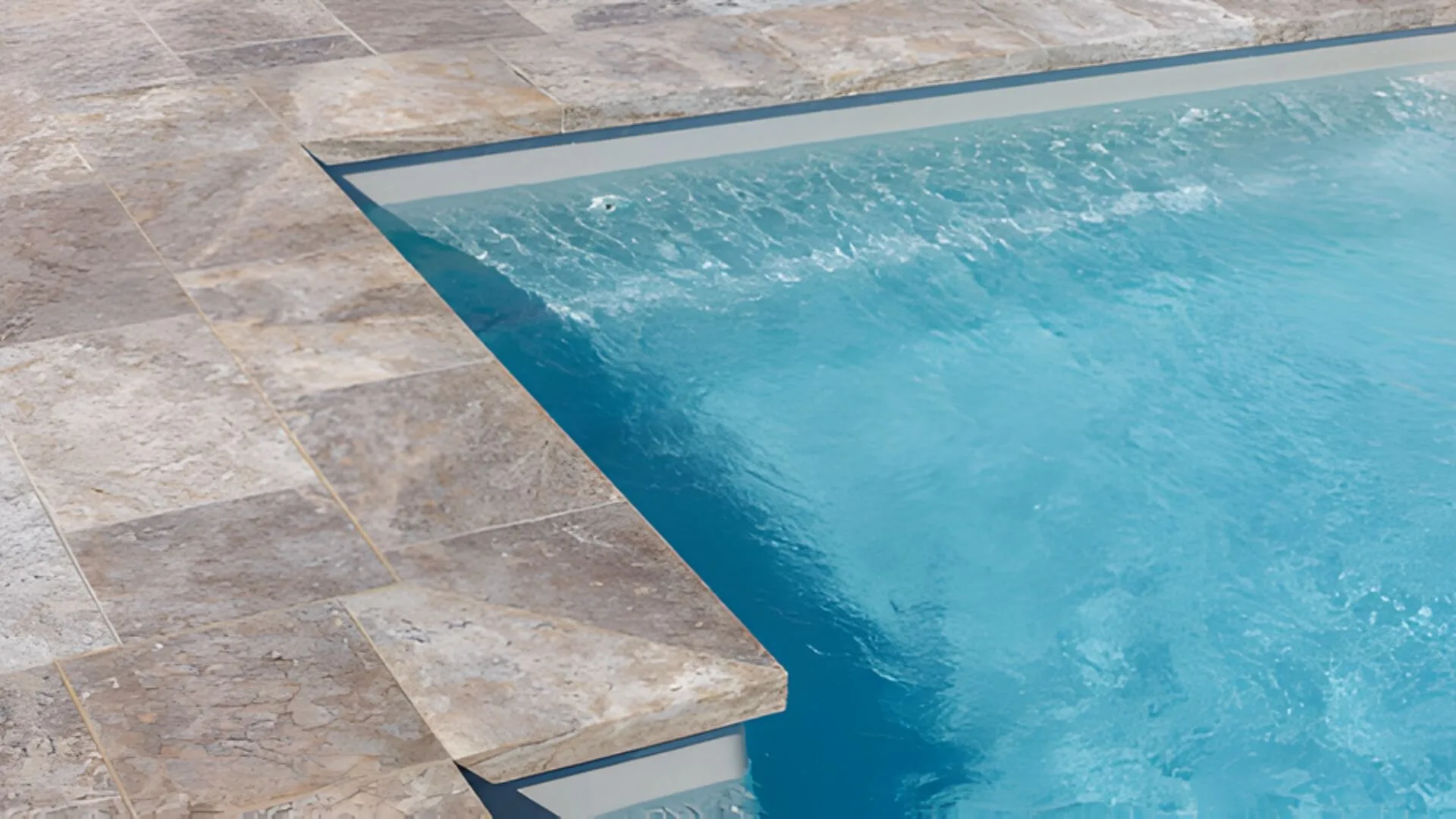
So the next time you glance at the shimmering surface of a fibreglass pool, remember that what you’re seeing isn’t just colour or gloss. It’s craftsmanship, science, and sun-smart engineering working together to ensure that your little patch of blue stays vibrant, inviting, and ready for every Queensland summer still to come.