










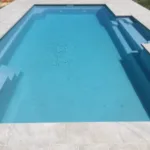


On a bright mid-January morning in Brisbane—one of those days when the summer heat settles in early, and the air feels heavy with the scent of rain off in the distance—I found myself thinking back to a visit I’d made just days before to a fibreglass pool manufacturing facility. It was the 16th of January, right in the middle of Queensland’s steamy season, and while most people were flocking to the beach or hiding in air-conditioning, I was stepping into a building where some of Brisbane’s favourite backyard icons are born.
If you’ve ever admired the smooth shine of a fibreglass pool and wondered how such a flawless shell comes to life, let me take you behind the scenes—back to that warm January day when I watched the process unfold from the very beginning.
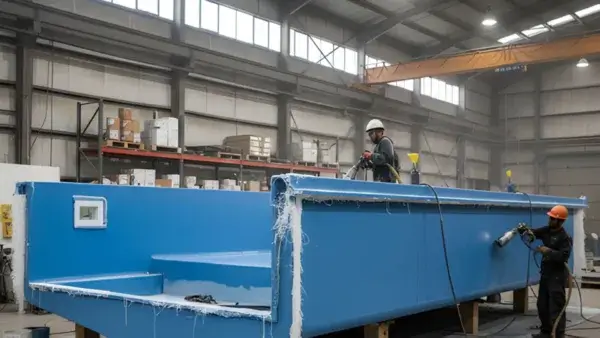
The first room I walked into didn’t look like the starting point of something so beautiful. It was filled with towering structures—moulds—lined up like silent giants. Each one was an exact negative of a finished pool, sculpted with such accuracy that even the smallest imperfection would transfer directly onto the final shell. The team caring for them treated these moulds like prized instruments, inspecting, cleaning, and polishing constantly. In the sticky mid-January heat, I noticed how carefully they managed the environment around the moulds, because temperature plays a surprisingly big role in how the materials behave.
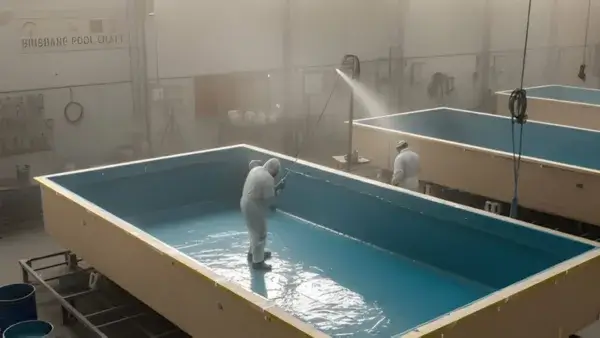
With the mould prepared, the first layer applied is the all-important gelcoat. Watching the technicians work felt almost hypnotic. In smooth, sweeping movements, they sprayed the gelcoat across the surface until it glistened like still water under the Queensland sun. This layer gives fibreglass pools their signature smoothness and vibrant finish, and it’s engineered specifically to resist the intense UV that Brisbane summers deliver in full force. As the gelcoat settled, I couldn’t help but imagine how it would eventually sparkle under a backyard sky in late January, when families gather outside long after sunset to cool off.
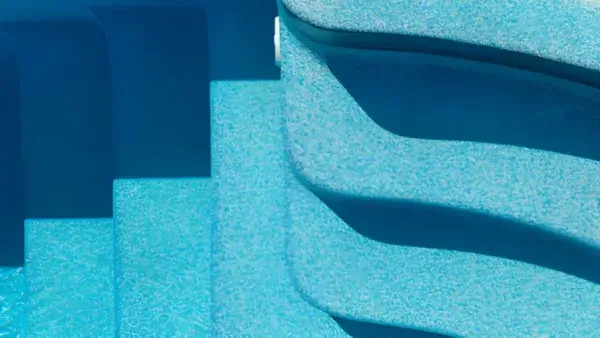
Once the gelcoat cured, the real structural magic began. Sheets of fibreglass matting were carefully laid into the mould, then saturated with resin. The warm, humid air of that January day sped up the resin’s reactions just a touch, so the technicians worked with measured precision, ensuring the layers bonded just as they were meant to. It reminded me of watching a skilled baker layer a delicate creation—each step intentional, each movement crucial.
As the layers built up, the shell transformed from something soft and fabric-like into a strong, unified structure. The remarkable thing about fibreglass is its balance of strength and flexibility. The team explained that this is exactly what makes it ideal for Brisbane’s unpredictable soil. Our ground swells after heavy summer rain and contracts when the heat intensifies. A pool shell that can adapt ever so slightly without cracking is essential here, especially in January when sudden storms can roll in with little warning.
Further along the production line, warm air flowed from industrial heaters and large fans. Controlling the curing environment is vital. This phase is when the fibreglass and resin fully harden, binding into a shell strong enough to last decades. Standing near one pool in mid-cure, I could see the transformation happening. The surface shifted from a tacky softness into something solid, glossy, and undeniably pool-like. One of the builders smiled and said, “This is the moment it becomes real,” and in the quiet hum of the workshop, I felt the truth of that.
After curing came one of the most impressive steps: lifting the shell from the mould. This part was surprisingly delicate. The entire team moved slowly, guiding the shell free with practiced care. As it separated from its mould, the smooth interior was revealed, gleaming under fluorescent lights like a sunlit lagoon waiting for water. Even in the enclosed factory, I could picture it in a Brisbane backyard—surrounded by palm fronds, ready to offer relief from the January heat.
But the work wasn’t done yet. Each shell went through multiple rounds of inspection. Teams checked the surface by hand, smoothing any small inconsistencies, trimming edges, and preparing fittings. Some tapped on the shell with small tools, listening for the clear, consistent sound that signalled perfect bonding beneath the surface. It felt almost musical—an unexpected harmony inside an industrial workshop.
As I left the facility, stepping back into the thick mid-January air, I imagined the journey each pool would soon take. Within days or weeks, these shells would be lowered gently into Brisbane backyards, filled with water that would shimmer under the late-summer sky. Children would be learning to float for the first time. Parents would be sneaking in early-morning laps before the sun grew fierce. Neighbours would gather for weekend barbecues, cooling off with lazy afternoon swims.
Understanding how fibreglass pool shells are manufactured gave me a renewed appreciation for the craftsmanship behind them. What seems simple and effortless in someone’s garden is, in reality, a meticulous dance of science, skill, and timing—especially in the midst of a Brisbane summer, when the heat shapes every stage of the process.
So with the season at its peak and the promise of more long, warm evenings to come, it feels fitting to share this behind-the-scenes look. The next time your toes touch that cool, silky surface, you’ll know it’s more than just a pool—it’s the result of countless careful hands, summer-weather expertise, and a little bit of Brisbane spirit built into every layer.