

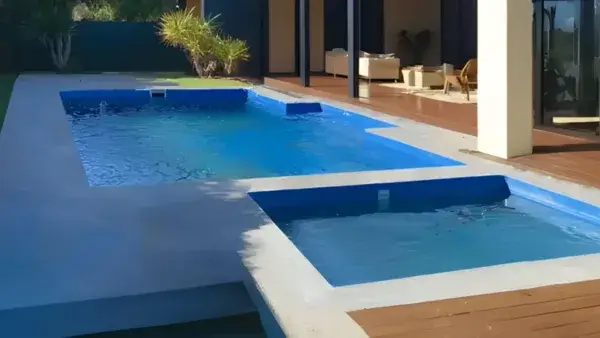





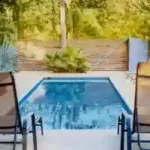



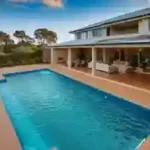





On a warm New Year’s morning in Brisbane—one of those bright January days when the cicadas start singing before breakfast, and the humidity wraps itself around you like a familiar friend—I found myself thinking back to a couple who had just enjoyed their first full summer with their fibreglass pool. It felt fitting to revisit their story on the first day of 2026, when so many people are dreaming up resolutions for calmer routines, better balance, and more time spent outdoors. For them, the previous year had been transformed simply by having a shimmering escape waiting just outside their back door.
When they first set out to choose a pool, they’d been overwhelmed by the options. Brisbane’s climate can be both a blessing and a challenge—glorious sunshine paired with sudden storms and soils that can shift between seasons. What won them over in the end wasn’t just convenience or the promise of cool relief in the thick of summer; it was understanding the science behind fibreglass and realising how naturally the material suits life in subtropical Australia.
If you’ve ever run your hand along the smooth interior of a fibreglass pool, it’s hard to imagine that its strength comes from something as delicate as strands of glass. But it does. These tiny fibres are woven and strengthened with resin until they form a tough yet flexible composite. That flexibility is part of the magic. Brisbane’s clay-heavy ground expands after summer downpours and contracts during dry spells, especially around January when the weather can swing dramatically. A rigid material might struggle with that movement, but fibreglass has a quiet resilience. It can shift ever so slightly without cracking, making it an incredibly practical choice for local homes.
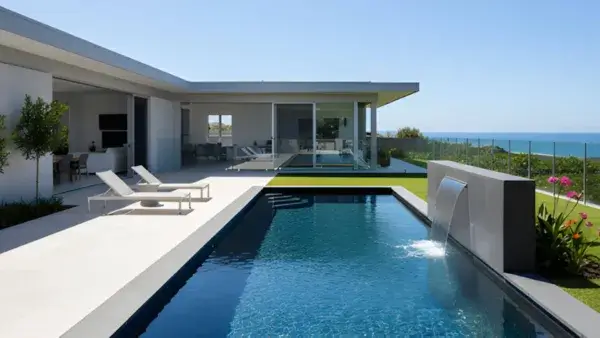
The couple recalled how pleasantly surprised they were by the installation process. Unlike pools that require extensive onsite construction, a fibreglass pool arrives as a single, pre-formed shell. In the height of Brisbane’s summer—when gardens are lush, lawns are growing faster than you can mow them, and no one wants weeks of disruption—this efficiency becomes an unexpected gift. With the right team, the shell can be placed into the excavated site, levelled, plumbed, and filled in far less time than you’d expect. By mid-January, their children were already splashing about, making the most of the hot holiday weeks.
Standing by their pool on one of those early evenings, I remember noticing how the water caught the late-summer light. The gelcoat—the sleek outer layer that gives fibreglass pools their distinctive shine—did more than just look beautiful. Scientifically engineered to be smooth and durable, it creates a surface that feels gentle against bare skin. Many Brisbane pool owners will tell you that in the peak of summer, when the water is warm, and kids are constantly hopping in and out, having a smooth, non-abrasive surface makes a noticeable difference. It also helps keep algae at bay. Because the gelcoat lacks the tiny pores and roughness that algae cling to, cleaning becomes far less of a chore. And during a Brisbane January, when long days and warm nights can encourage algae growth, this built-in resistance feels like a quiet blessing.
Energy efficiency was something the couple hadn’t initially thought about, but it quickly became one of their favourite features. January days in Brisbane can be scorching, but the nights sometimes cool just enough to drop pool temperatures. The insulating nature of fibreglass helps retain warmth, meaning their water stayed comfortable for longer without relying heavily on heating systems. With power bills always a concern—especially after the festive season—this natural energy-saving quality felt like winning a little prize every week.
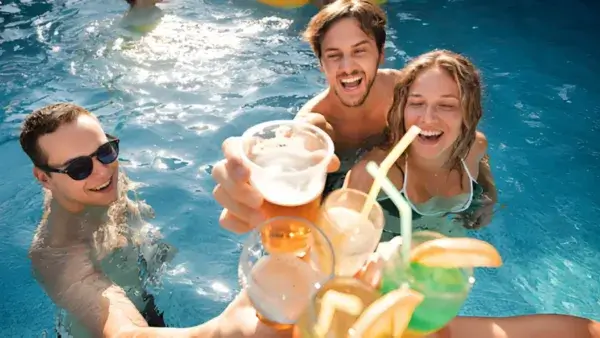
And then there’s the durability. As we clinked glasses to celebrate the new year, they pointed out how their pool still looked as pristine as the day it was installed. Fibreglass doesn’t corrode or degrade easily, even when exposed to chemically treated water or fierce sunshine. January in Brisbane is particularly UV-intense, but the material is designed to withstand those conditions year after year. Their pool had endured storms, heatwaves, and the constant parade of kids with inflatable flamingos—all without so much as a whisper of wear.
What made their story especially memorable was how naturally the pool had woven itself into the rhythm of their lives. Summer mornings began with gentle laps as the sun crept over the fence. Afternoons became lively gatherings of neighbours, drifting in for a cool dip between New Year celebrations. Even the quieter moments—floating under a sky streaked with sunset colours—became rituals they looked forward to. Their fibreglass pool wasn’t just a home improvement; it was a source of calm, connection, and joy.
Reflecting on their experience feels especially fitting as we step into 2026. January is a time of fresh starts, of setting intentions for the months ahead, and for many Brisbane homeowners, creating a sanctuary in the backyard is part of that vision. The science behind fibreglass—its strength, flexibility, smoothness, energy efficiency, and enduring resilience—makes it not only a smart choice but a heartfelt one for our climate and lifestyle.
As I think about that couple welcoming the new year beside the shimmering water that had become the heart of their home, I’m reminded of how the right materials, shaped by thoughtful science, can quietly transform the way we live. A fibreglass pool doesn’t just survive Brisbane’s summer—it enhances it. And on this first day of January 2026, with the sun high and another long summer stretching ahead, it’s easy to see why more and more families are discovering just how perfect it can be.