

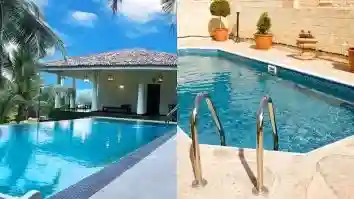






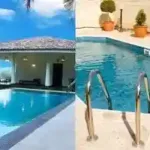








There’s nothing quite like that first splash into your backyard pool on a hot South Brisbane afternoon. Whether it’s the kids laughing as they cannonball in or a quiet moment floating under the sky, it’s the kind of simple joy that never gets old. But when it comes to what’s in the water, that’s where the decisions matter—especially if your pool is where your family spends time together, relaxes, and makes memories.
We often get asked the same question by homeowners around South Brisbane:
“Should I choose a traditional chlorine pool or go for a mineral pool system?”
It’s a great question. And like all good questions, the answer depends on what you value most. So, let’s dive into the difference—because once you understand how both systems work, and how they affect your water, your skin, and your lifestyle, the choice often becomes clear.
Let me start with a story from a family in Holland Park. They’d just moved into a lovely home with a small fibreglass pool in the back and were looking to upgrade the filtration system. Their two young children both had sensitive skin, and they were growing increasingly concerned about the harshness of chlorine. After exploring their options, they chose to convert their system to a mineral pool—and within weeks, they told us they could feel the difference, literally.
So, what exactly is a mineral pool?
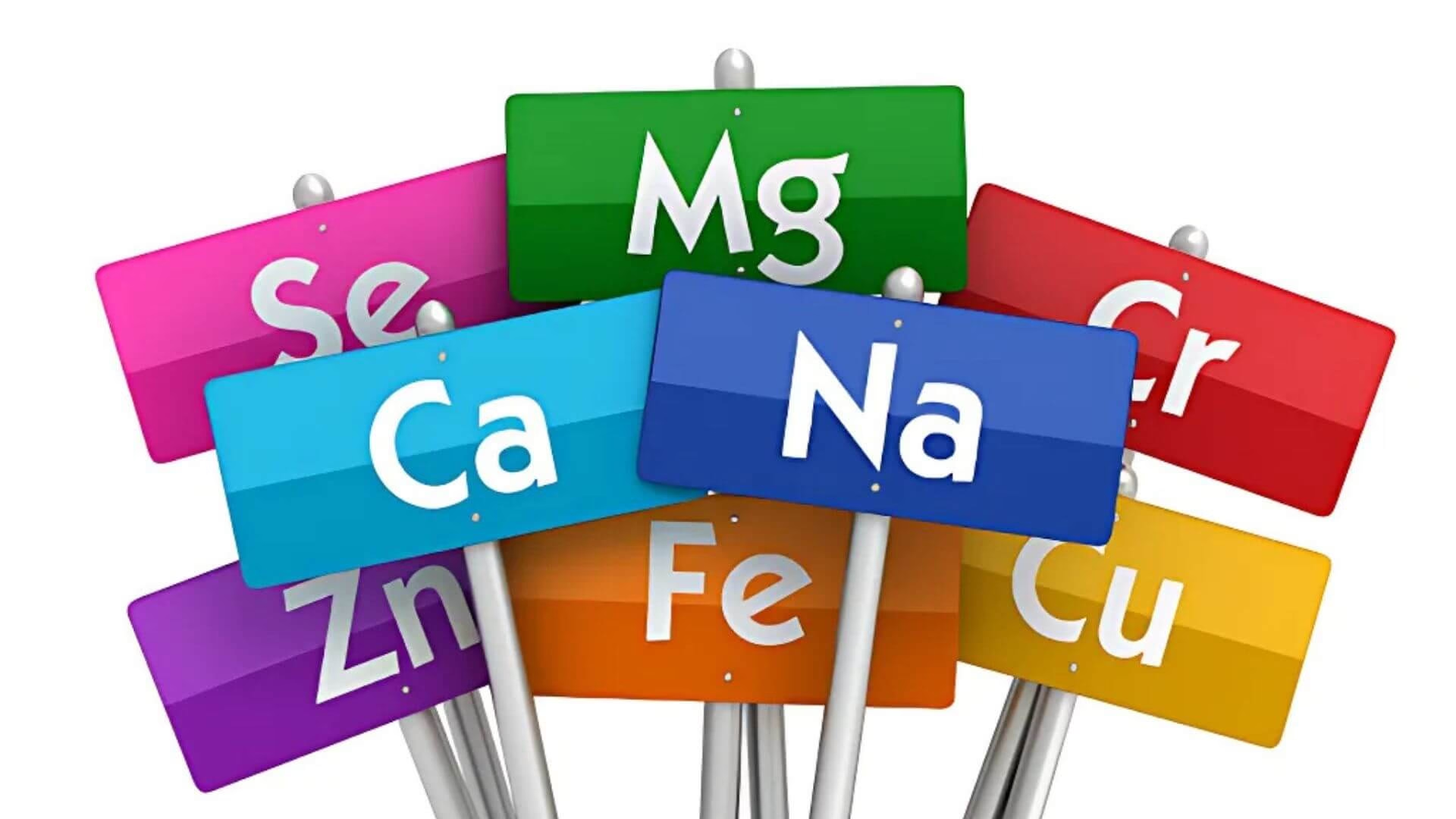
At its core, a mineral pool uses natural minerals—like magnesium, potassium, and sometimes sodium—to keep the water clean and clear. It still sanitises the water effectively, but it does so in a way that’s far gentler on the body and often more pleasant to swim in. Think of it as swimming in soft, silky water that doesn’t sting your eyes, dry your skin, or make your hair feel like straw.
Now compare that to traditional chlorine systems. Chlorine has been used for decades and it does do the job—it keeps the water sanitised and prevents bacteria and algae. But it also comes with a few downsides, particularly for families.
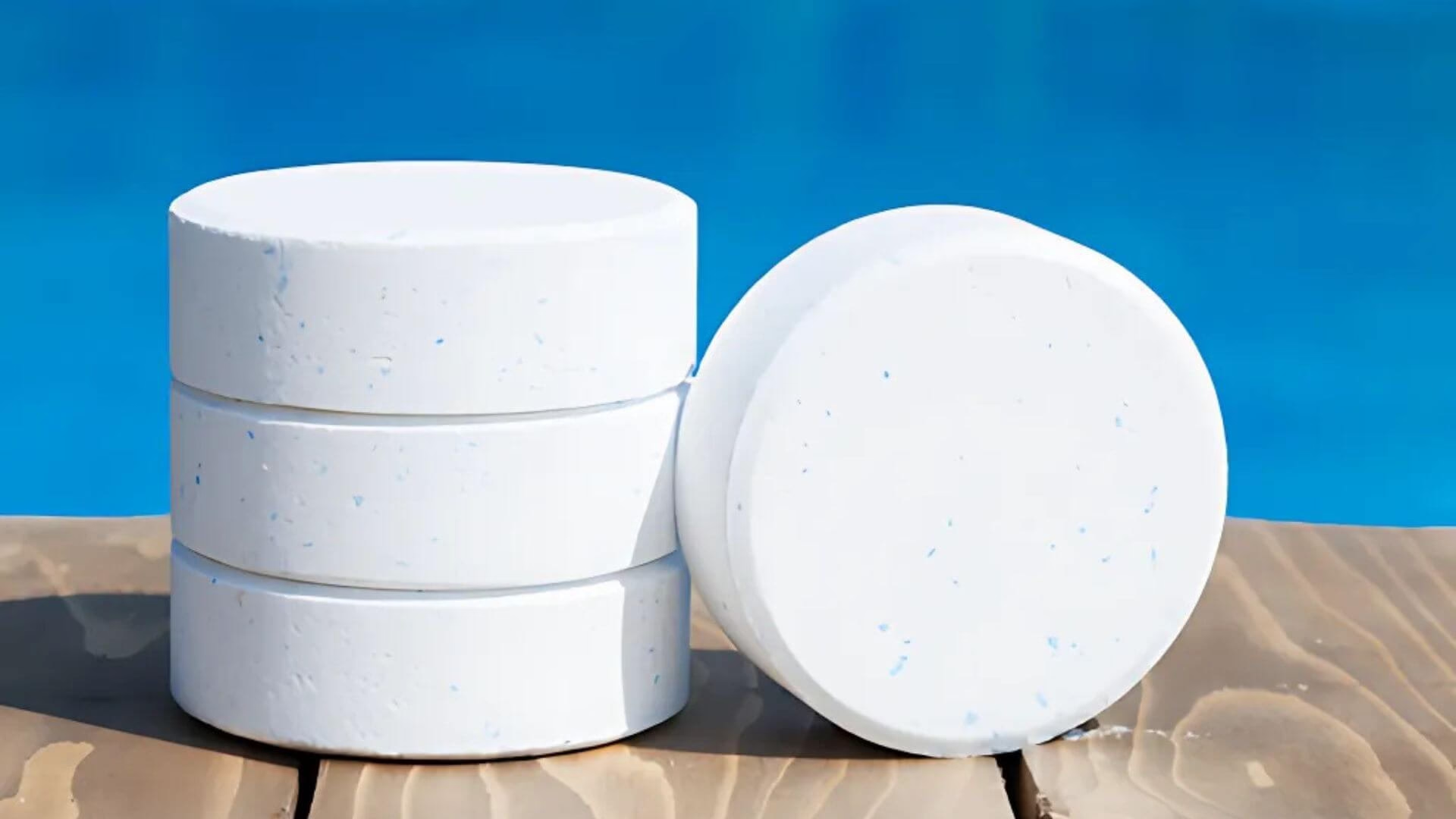
Chlorine, especially in higher concentrations, can lead to:
- Red, irritated eyes
- Dry, itchy skin
- Strong chemical smells
- Fading of swimwear over time
- Respiratory irritation for some people
In South Brisbane’s warm, humid climate, these issues can be amplified, especially when the pool is getting a lot of use. And with our subtropical weather encouraging long swim seasons, that means extended exposure to chemicals—not ideal for little ones or anyone with skin conditions like eczema.
On the flip side, mineral pools are known for their therapeutic benefits. Magnesium, in particular, has a long-standing reputation for helping to soothe the skin, reduce inflammation, and relax muscles. Some of our customers even say a dip in their mineral pool feels like taking a warm bath in a luxury spa.
There’s a couple in Carindale who installed a mineral pool system with us last year. They were after a healthier, more natural swim experience—not just for themselves, but for their ageing parents who visited often and used the pool for light exercise. After just a few weeks, they couldn’t stop talking about how soft the water felt and how they no longer had to worry about that overwhelming “pool smell” lingering after every swim.

And here’s where things get even better: mineral pools are easier to maintain than many people think. The system uses a gentle level of sanitation, meaning there’s less demand for constant chemical balancing. That often translates into lower long-term costs, less time fiddling with test strips, and a pool that looks and feels good with minimal fuss.
Fibreglass Pools South Brisbane offers high-quality mineral pool systems that integrate seamlessly with our fibreglass installations. The compact, efficient nature of our pools means less water to manage, which works perfectly with mineral-based sanitation. It’s a more sustainable, eco-conscious choice, too—less chemical runoff, less water waste, and a smaller impact on the environment overall.
Now, are there any reasons someone might still choose chlorine? Of course. Chlorine systems can be slightly more cost-effective upfront, and for those with larger commercial-style pools or who use their pool infrequently, they might be the simplest path. But for most families, especially those using their pool regularly, the added comfort, safety, and wellness benefits of a mineral system are well worth the switch.
At the end of the day, it comes down to the kind of experience you want for your family. Is it a splash-and-go backyard where chemical smell is just part of the deal? Or is it a tranquil, skin-friendly retreat where the water feels good, smells fresh, and leaves everyone relaxed instead of itchy?
We believe the latter is the future—and we’ve seen first-hand how mineral pools are changing the way South Brisbane families swim.
So, if you’re planning a new pool, or even considering upgrading your existing one, take a moment to think beyond just water and tiles. Think about the feel of the swim. The health of your kids’ skin. The enjoyment of not smelling like chlorine after every dip. And most importantly, the peace of knowing you’ve chosen something gentler, smarter, and better aligned with modern family living.

Ready to explore your options? Fibreglass Pools South Brisbane can guide you through the process—from choosing the right mineral system to installing a pool that suits your lifestyle, your values, and your space.
Because when it comes to family time in the water, comfort, health, and quality should never be optional.